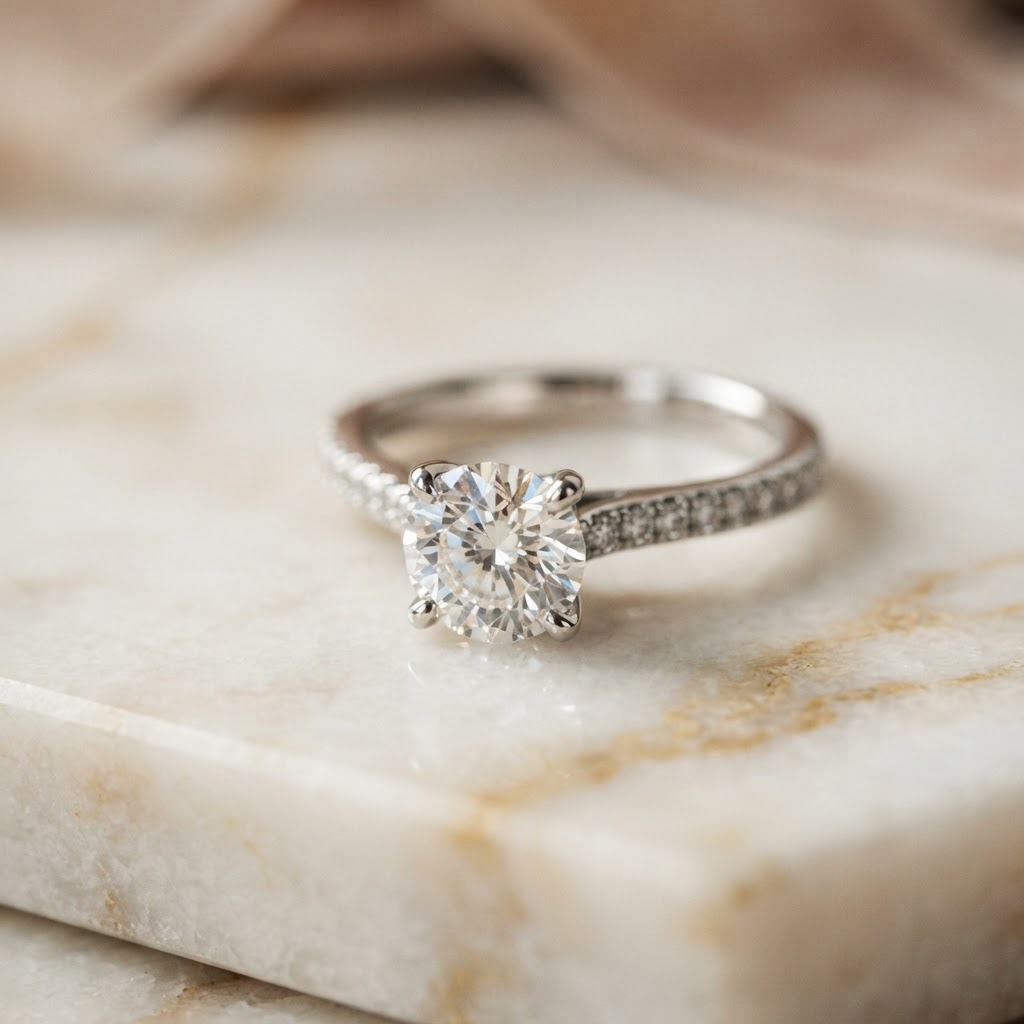
Platinum's Resurgence The Platinum Guild International (PGI) has released its Q3 report for 2026, showing a 15 percent year-over-year increase in platinum jewelry sales within the luxury segment. This shift is driven by a combination of favorable metal pricing and a renewed consumer appreciation for platinum's physical properties, such as its density and 'naturally white' color that does not require rhodium plating. ### Notable Market Trends 1. Price Advantage: With gold prices at historic highs, the price gap between a 14k white gold ring and a 950 platinum ring has narrowed to less than 10 percent in some cases. 2. Durability Awareness: PGI marketing campaigns have successfully educated consumers on the 'patina' of platinum versus the 'thinning' of gold, leading to a preference for platinum in 'heirloom-quality' purchases. 3. Sustainability Focus: Platinum mining in 2026 has seen significant improvements in ESG (Environmental, Social, and Governance) scores, particularly in South African mines, which is appealing to eco-conscious buyers. 4. Alloy Innovations: New platinum alloys that are harder and more scratch-resistant are being introduced by high-end manufacturers, addressing one of the traditional complaints about the metal. ### What this means for Mallard & Co. Mallard & Co. should adjust its bridal inventory to favor platinum settings, especially for engagement rings. Sales training should focus on the 'Cost-Per-Year' value proposition—explaining that while platinum may have a slightly higher upfront cost, the lack of need for future rhodium plating and its superior stone security make it the better long-term investment. Highlighting the new scratch-resistant alloys can also help overcome historical objections to the metal.
Sources: Platinum Guild International, Reuters, Metals Focus